
The Craft
Hakata-ori begins with discipline, then becomes something you can carry.
Fukuoka Silk is built around Hakata-ori: a textile tradition from Fukuoka where the value is not only in the finished object, but in the structure of the weave, the meaning of the pattern, and the way a piece enters daily life as a gift, garment, or memory.
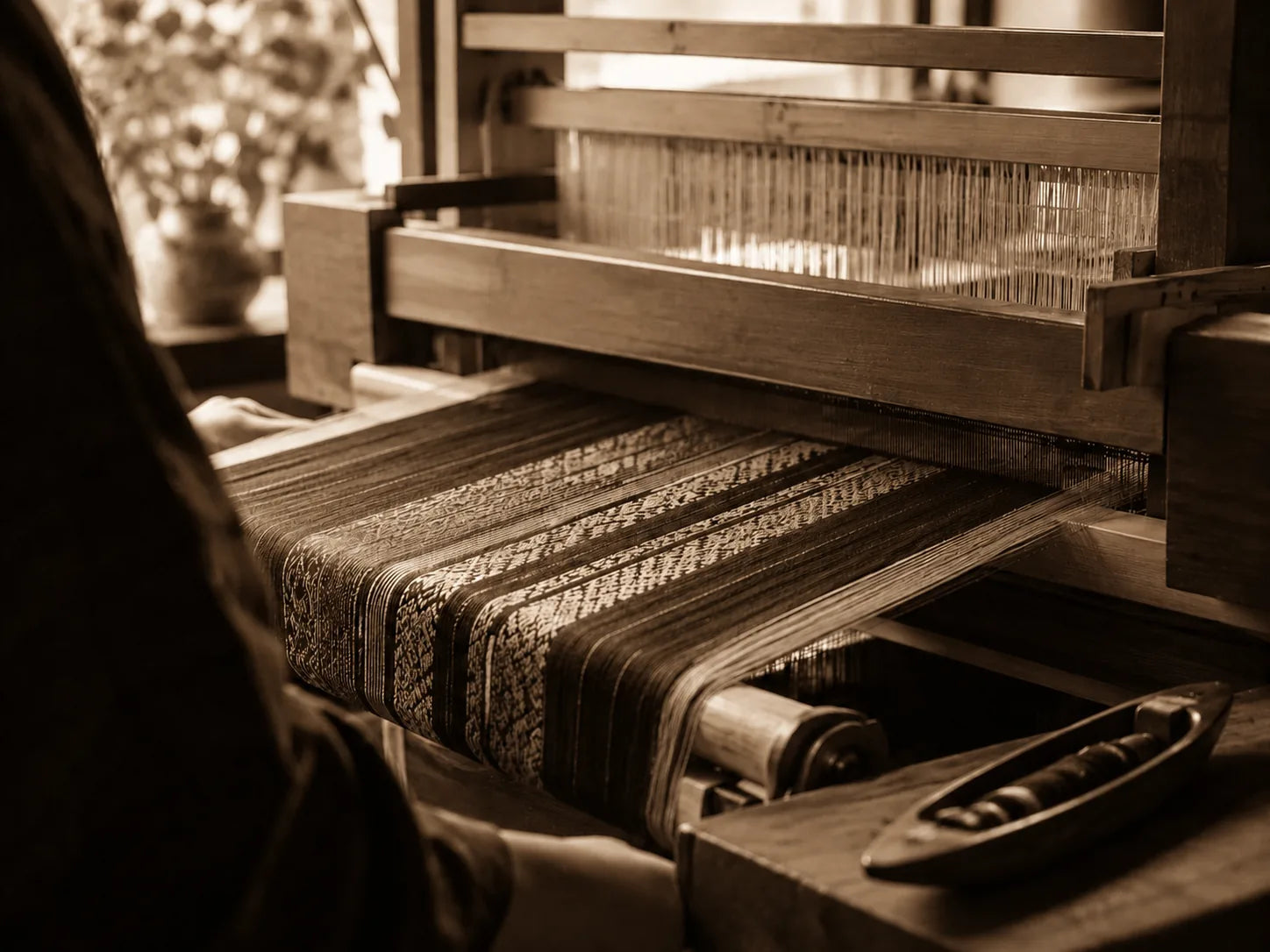
A Fukuoka textile with a long memory.
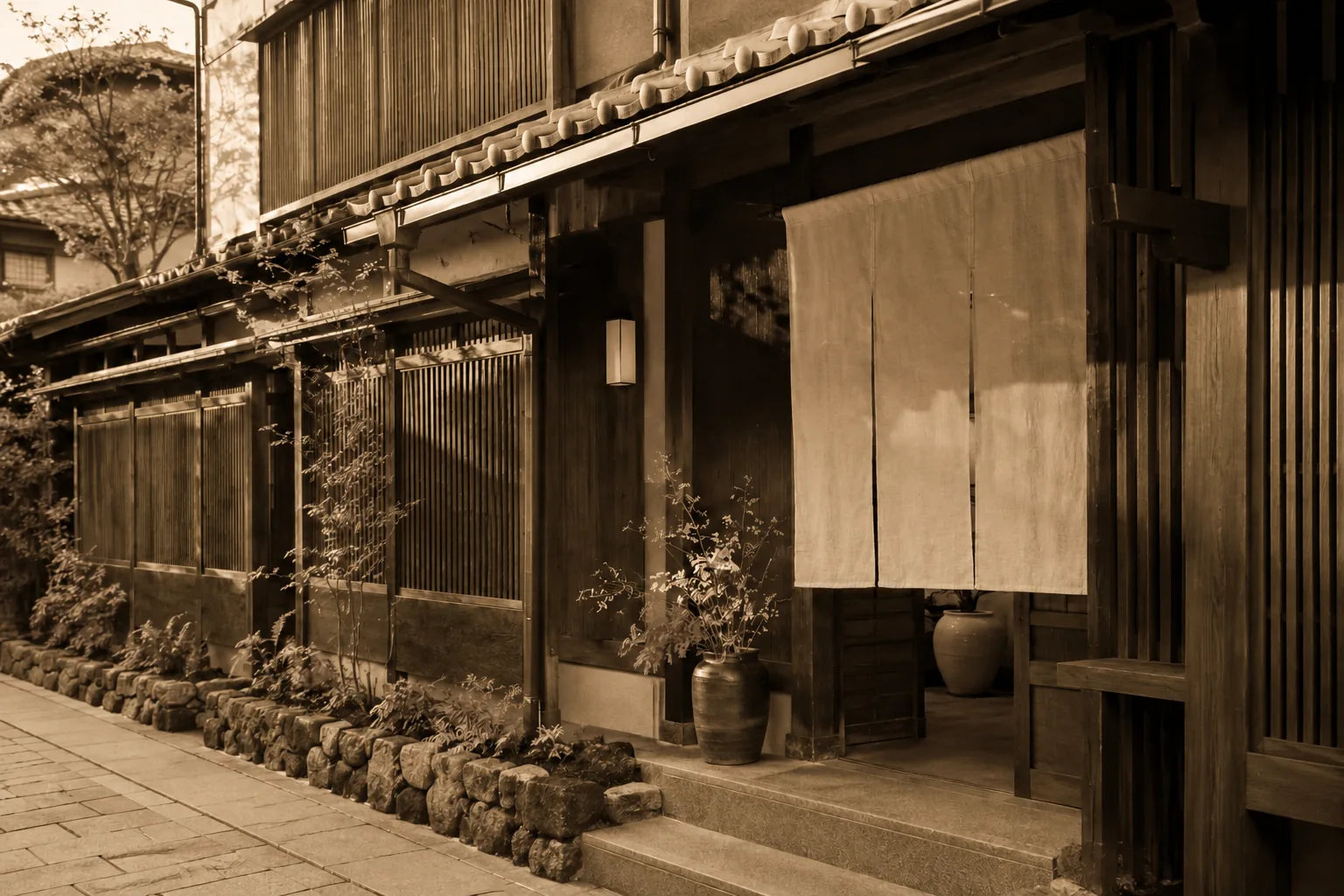
Hakata-ori is often described through age and provenance, but customers feel its value when those facts become visible. The page uses historical-toned imagery for origin and place, so the craft reads as inherited rather than newly invented.
The purpose is not nostalgia. It is to explain why a small woven object can carry more weight than a simple souvenir.
Pattern carries meaning.
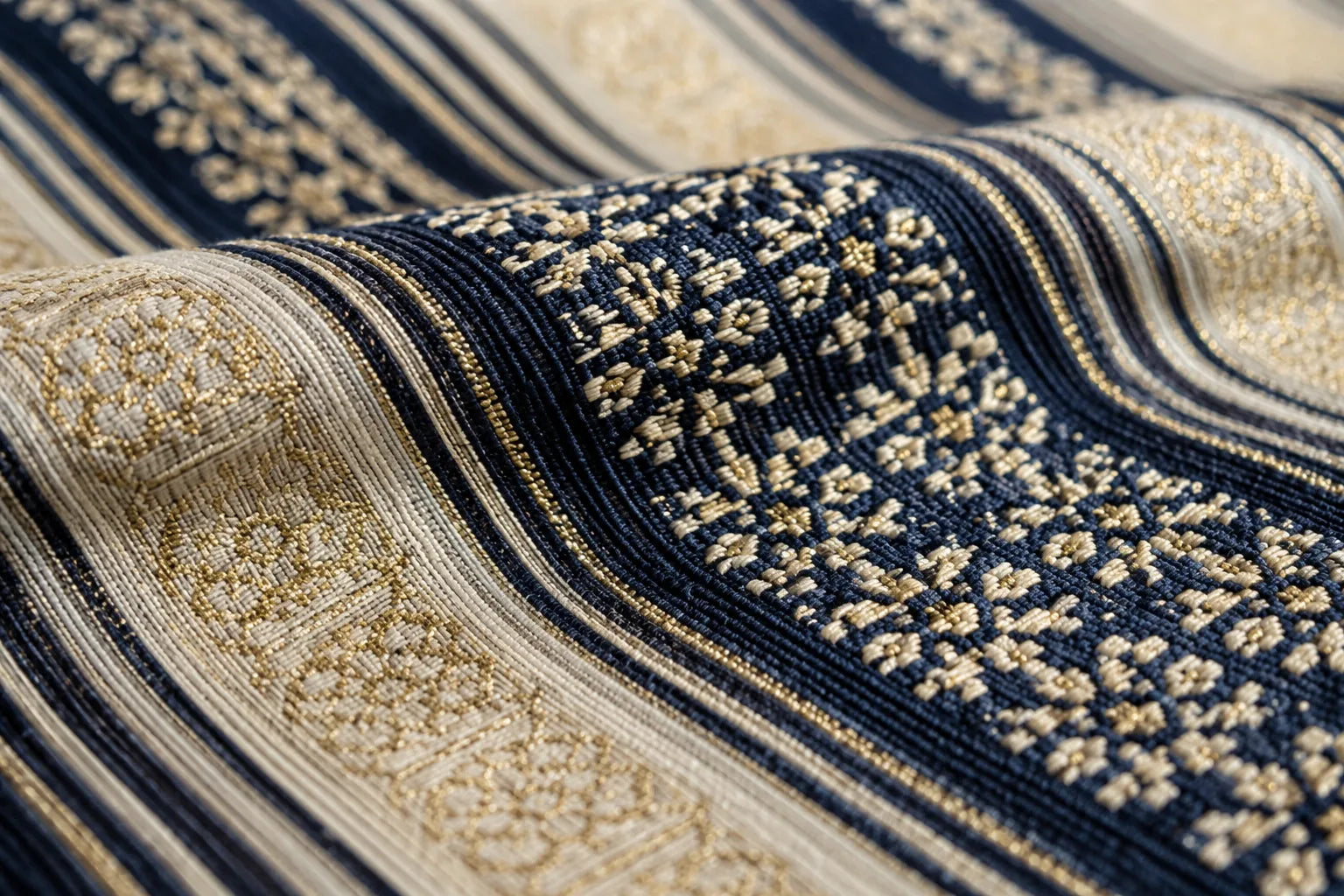
The Kenjō pattern gives Hakata-ori its formal language. Motifs such as dokkō, hanazara, and family stripes can carry wishes for protection, blessing, health, and continuity across generations.
This is why the same textile can work as business wear, ceremony, family gift, or travel memory. The pattern gives the object a reason to be given.
Silk should be understood by touch.
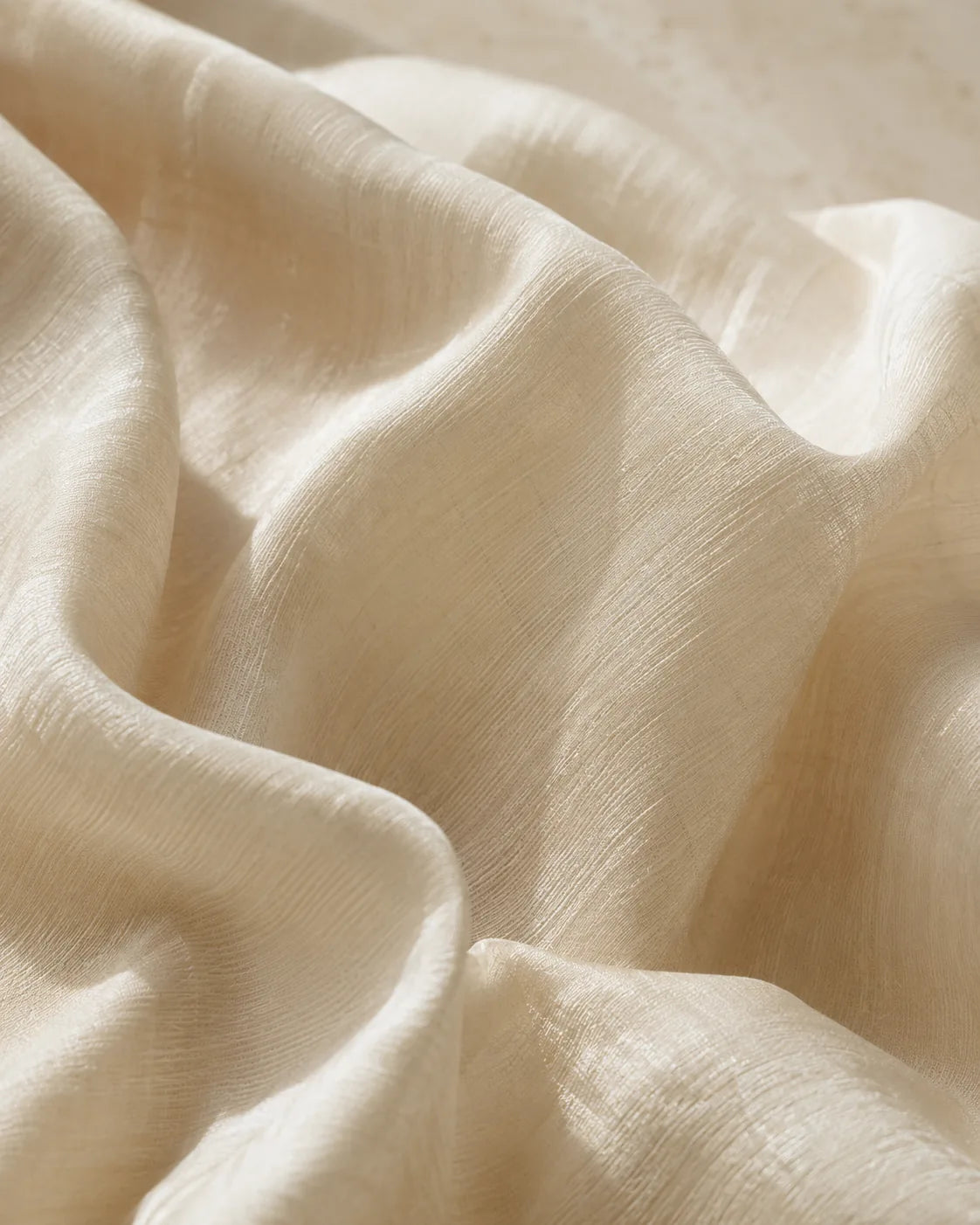
Close-up texture matters because high-value craft is difficult to justify through copy alone. The light catching the silk, the fine rib, and the soft fold help customers imagine why the piece feels different in the hand.
For stoles, that tactile story becomes practical: lightness, drape, travel, and ceremony.
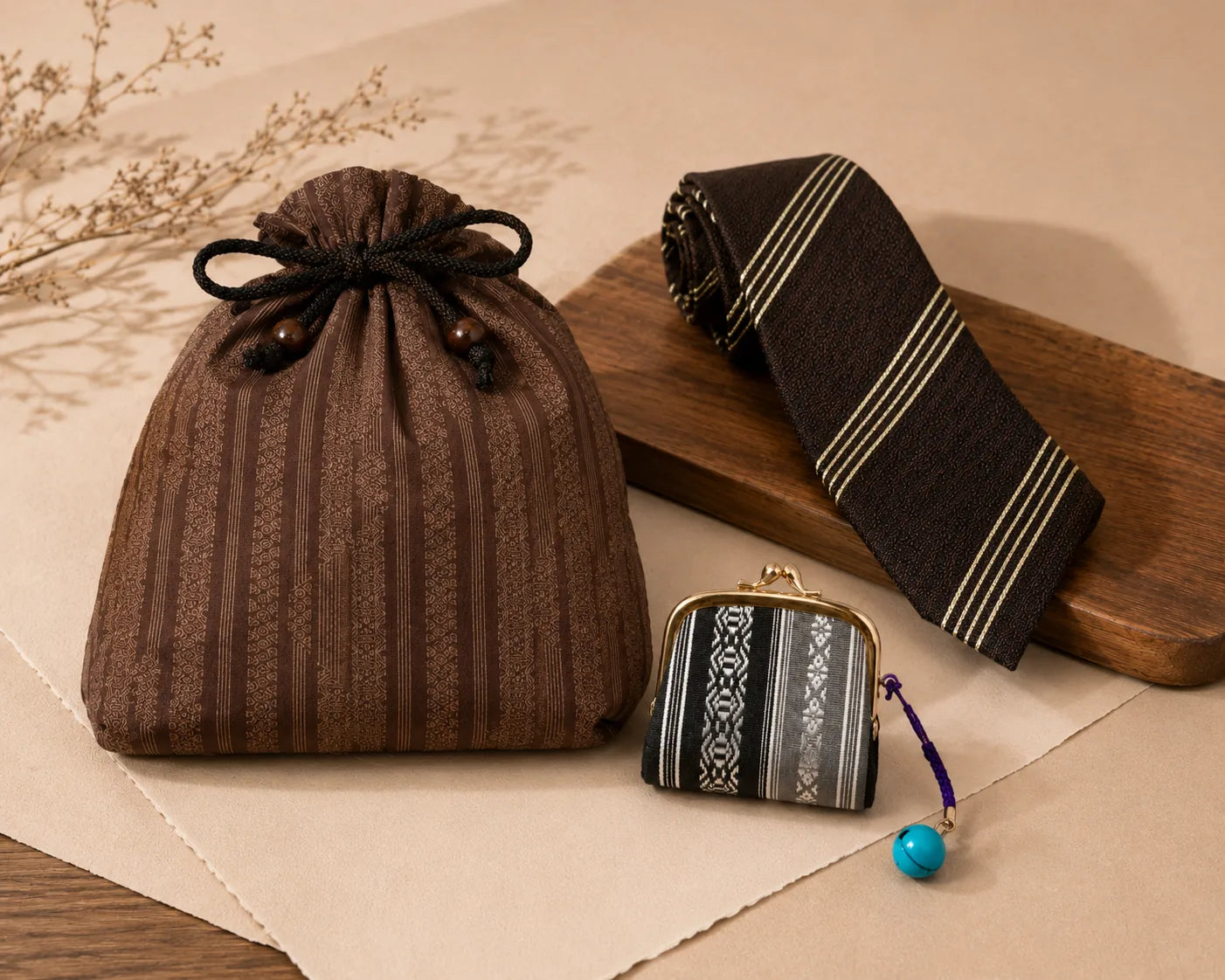
The final form should feel usable.
The story only works if it leads back to a piece someone can choose. A tie makes the textile formal. A pouch or purse makes it easy to carry. A stole makes the weave visible and intimate.
Fukuoka Silk should make the customer feel they are not buying an abstract tradition; they are choosing the right form of it.
Choose the form, then choose the weave.
Start with how the piece will be used: travel, ceremony, family gift, business gift, or a small object to carry home from Fukuoka.